

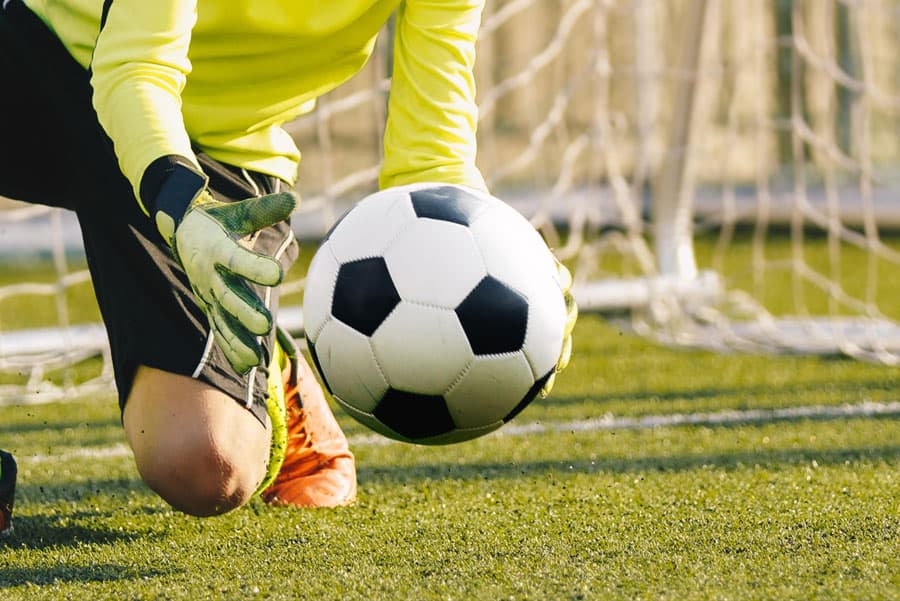
Fall is an exciting time for youth sports in Wyoming. High school and middle school fields fill with athletes competing in football, soccer, volleyball, and cross country. Participation in youth sports builds character, teamwork, and lifelong physical fitness habits. However, the high intensity and demands of autumn competition also bring a noticeable risk of injury.
From sudden, non-contact ACL tears on the turf to chronic overuse pain along the shin or knee, physical injuries can sideline young athletes at critical moments. Understanding how these injuries occur and implementing evidence-based training principles allows parents, coaches, and student-athletes to protect their health while pursuing peak athletic performance.
Understanding Acute vs. Overuse Injuries
Sports injuries generally fall into two distinct categories:
- Acute Injuries: These occur suddenly during movement, such as a twisted ankle, a shoulder subluxation, or a torn knee ligament. They are commonly caused by sudden changes in direction, collisions, or awkward landings.
- Overuse Injuries: These develop gradually over time when repetitive stress outpaces the body’s ability to repair itself. Common examples include shin splints, patellar tendonitis (jumpers knee), and growth-plate irritations such as Sever’s disease or Osgood-Schlatter disease.
Both categories require proactive management to ensure young, growing bodies are not subjected to long-term joint damage.
Preventing ACL Tears in High-Impact Fall Sports
Anterior Cruciate Ligament (ACL) injuries are among the most devastating setbacks a young athlete can face, often requiring surgical reconstruction and months of rehabilitation. A vast majority of ACL injuries occur without direct physical contact from another player. Instead, they happen during rapid deceleration, sudden cutting movements, or improper landing mechanics from a jump.
To mitigate this risk, young athletes should practice neuromuscular jump-landing training:
- Land Softly: Teach athletes to absorb force by bending at the hips, knees, and ankles upon landing, rather than landing with stiff, straight legs.
- Maintain Knee Alignment: Ensure the knees do not cave inward (valgus collapse) during squats, jumps, or cuts. Knees should track directly over the second toe.
- Strengthen the Posterior Chain: High school athletes often overdevelop their quadriceps relative to their hamstrings and glutes. Dedicated hamstring curls, Romanian deadlifts, and glute bridges create structural balance around the knee joint.
Managing Overuse Risks and Training Load
Overuse injuries frequently happen during the first few weeks of the fall season, when training volume increases dramatically after summer break. To prevent burnout and repetitive strain:
- Enforce Deliberate Rest Days: Young athletes should have at least one to two days off per week from structured sport-specific training to allow tissue repair.
- Prioritize Sleep and Nutrition: Muscle repair occurs during deep sleep cycles. Growing athletes require eight to ten hours of sleep, along with adequate protein and hydration, to support recovery.
- Address Early Pain Immediately: Pain is an warning signal, not something to push through. If an athlete develops a persistent limp or localized pain that lasts more than 48 hours, seek a professional evaluation immediately.
How North Platte Physical Therapy Supports Local Athletes
Our physical therapists work directly with youth sports programs, parents, and athletes across Wyoming. We offer specialized functional movement screenings, ACL prevention programs, and individual rehabilitation plans tailored to growing bodies. Contact us today to learn how we can help your athlete stay strong, healthy, and competitive all season long.